Regulating Compressed Gas Just Got a Lot Easier
June 11, 2026
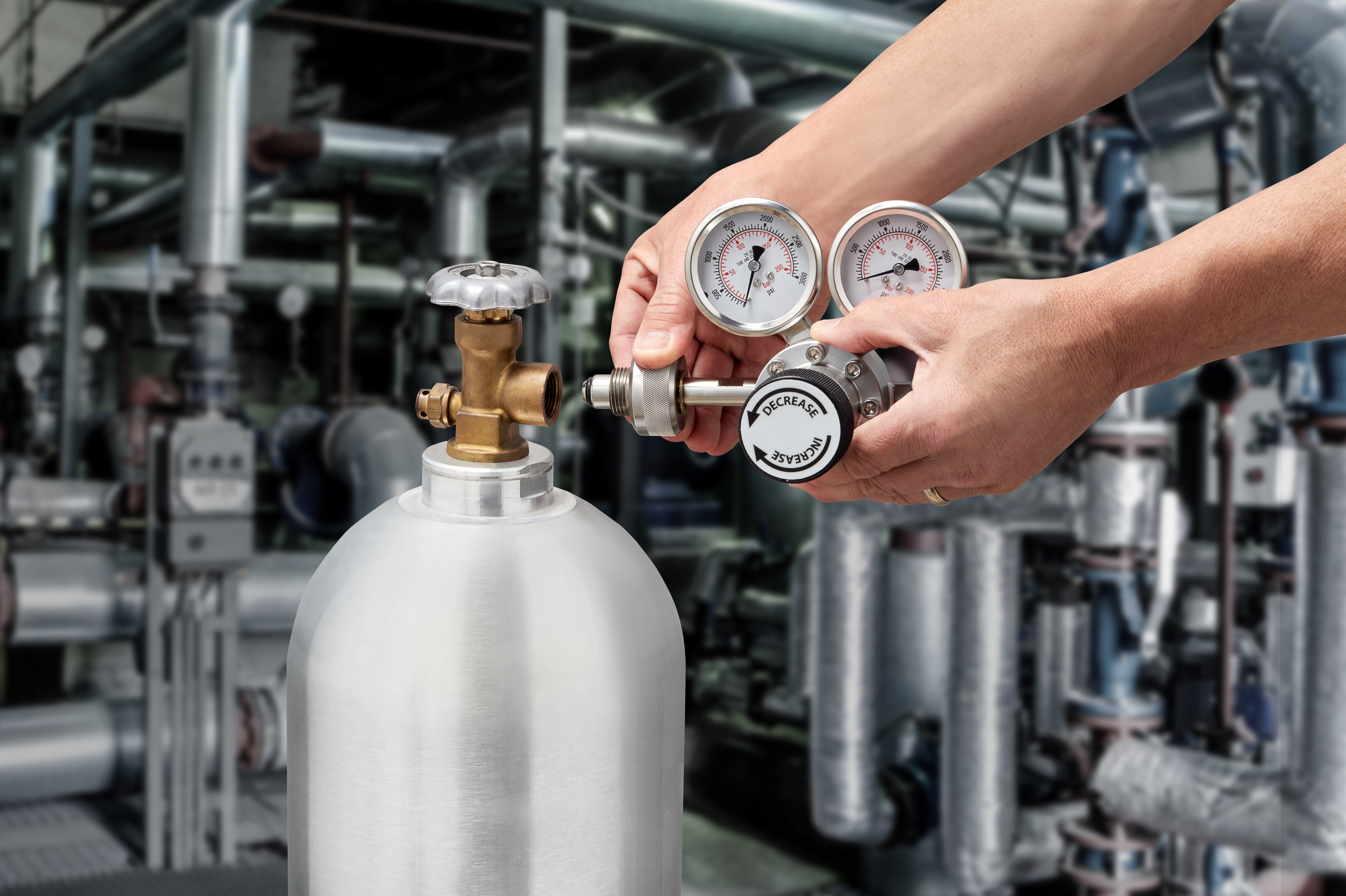
When you’re working with compressed gas for pressure testing or instrument calibration, a pressure regulator is usually part of the setup.
It connects to the cylinder, steps down the pressure, and provides a controlled output for your instruments.
You’ll see this kind of setup used in both field and lab environments.
The Problem: CGA 580 Connections Can Slow Down Setup
Most compressed gas setups still rely on traditional CGA 580 threaded connections.
That usually means tightening metal threads together and relying on that connection to seal properly. If it doesn’t seat quite right, you’re backing off, adjusting, and trying again before you can even start your test.
Even when it works, there’s often some uncertainty. And if the connection isn’t fully sealed, it can lead to issues later—like chasing pressure instability that isn’t actually coming from your instrument.
A Simpler Cylinder Connection
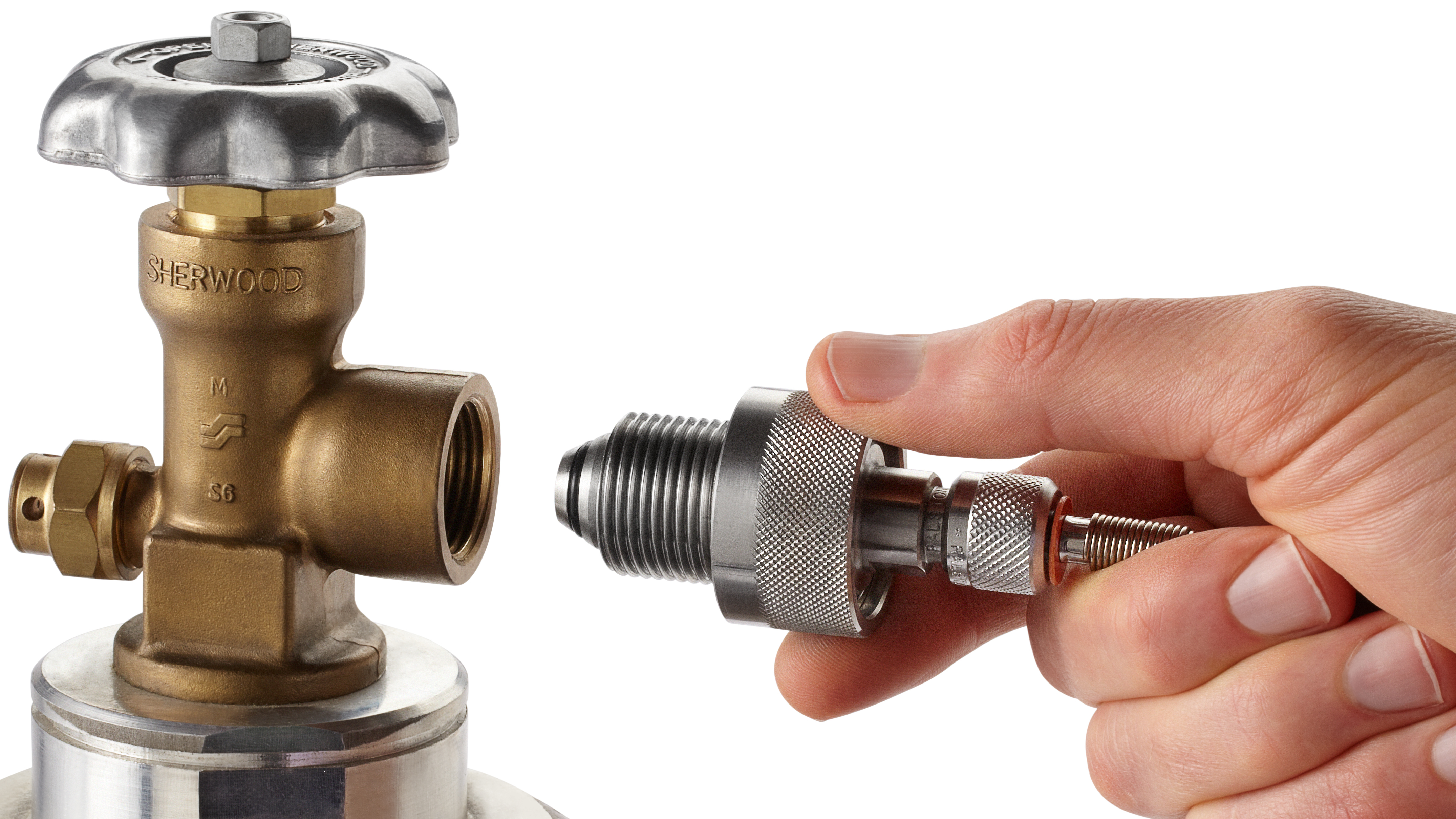
Ralston Quick-test™ Compressed Gas Cylinder Valve Adapters take a different approach to CGA 580 connections.
Instead of relying on brass-to-brass sealing, they use a precision O-ring that seals inside the CGA valve cone. That allows you to connect directly to the cylinder without tools while still creating a secure, reliable seal.
Because of that design, you don’t need a wrench or thread tape, and you don’t have to second-guess whether the connection is going to hold. As pressure increases, the seal tightens, helping prevent leaks before they start.
It’s a small change, but it removes one of the most common friction points in working with compressed gas.
Stable Pressure Without Constant Adjustment
Once the connection is reliable, pressure control becomes much easier.
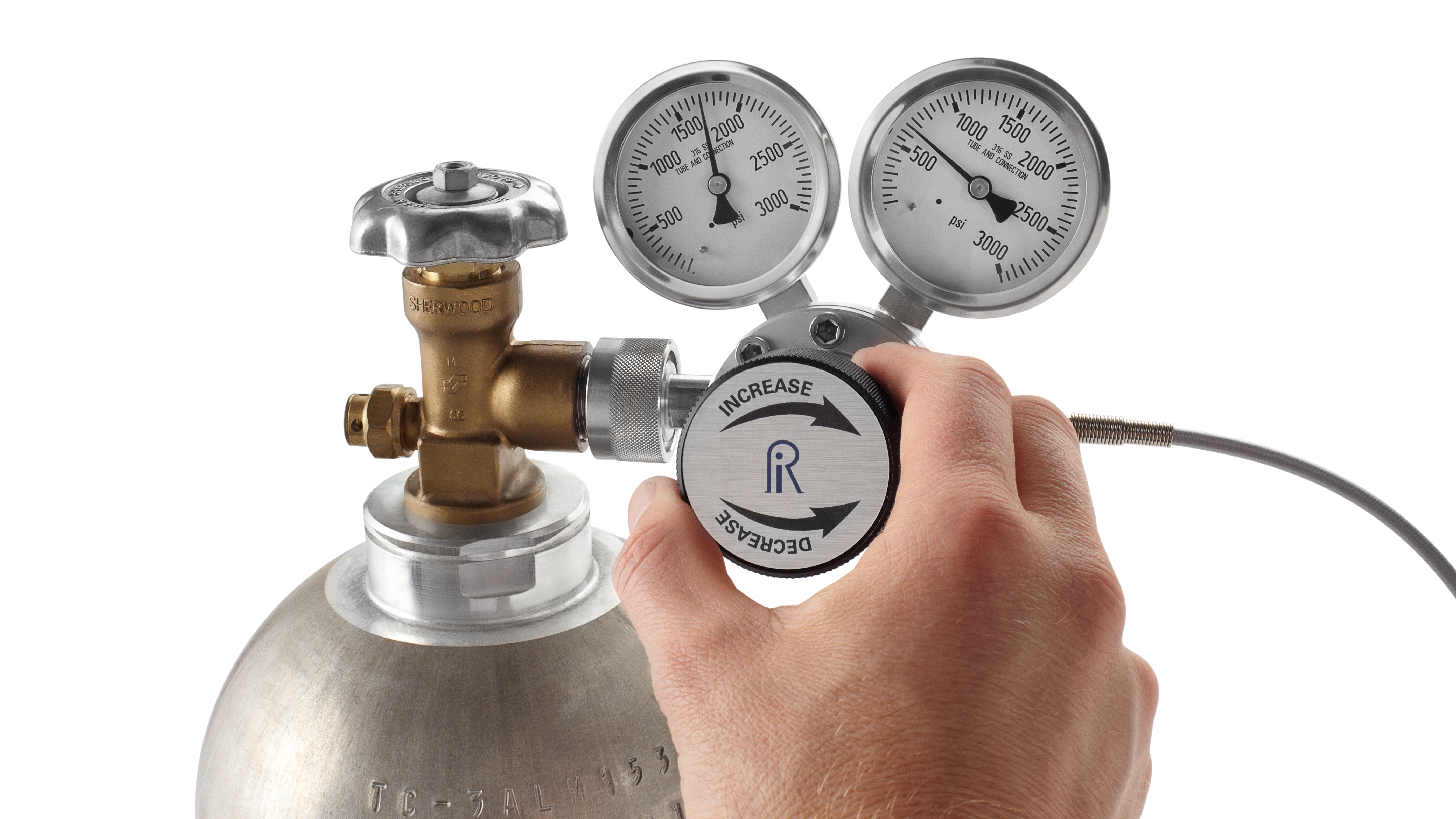
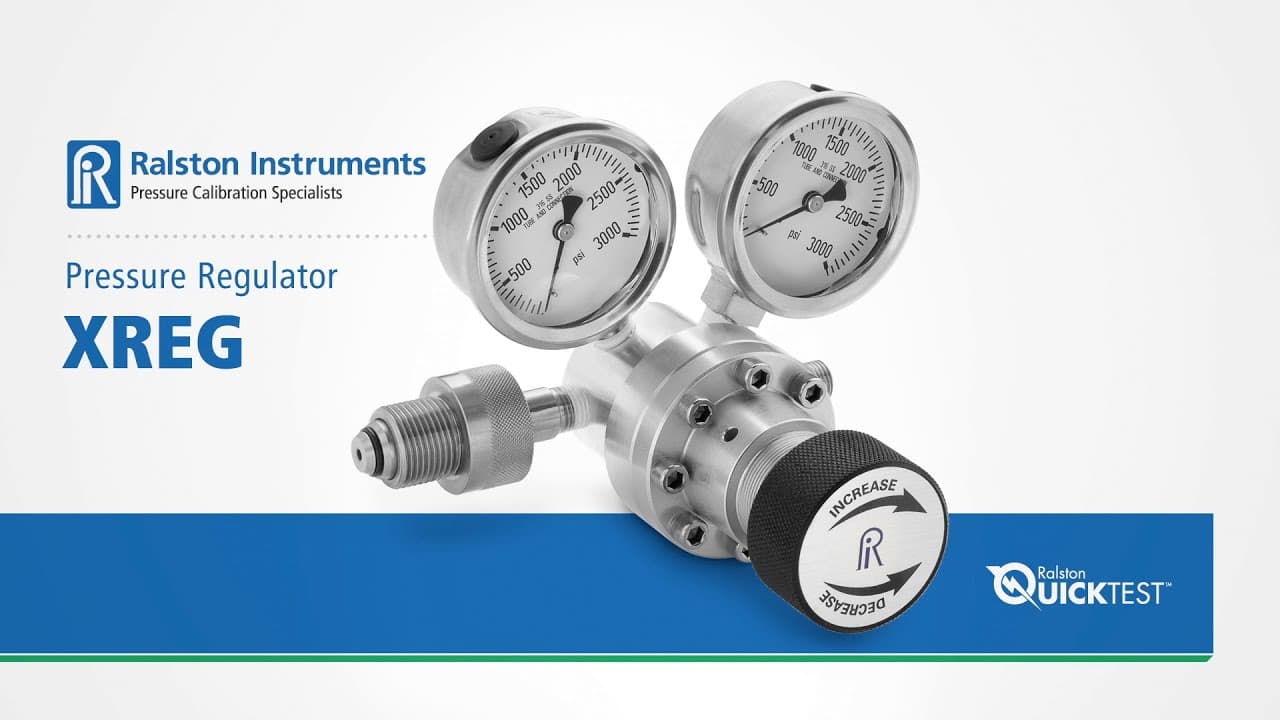
The Ralston XREG Pressure Regulator takes high-pressure gas, up to 3,000 psi, and steps it down into a stable, usable output for calibration and testing.
The piston-sensed design and fine-threaded adjustment make it easier to increase or decrease pressure smoothly, instead of overshooting and correcting repeatedly.
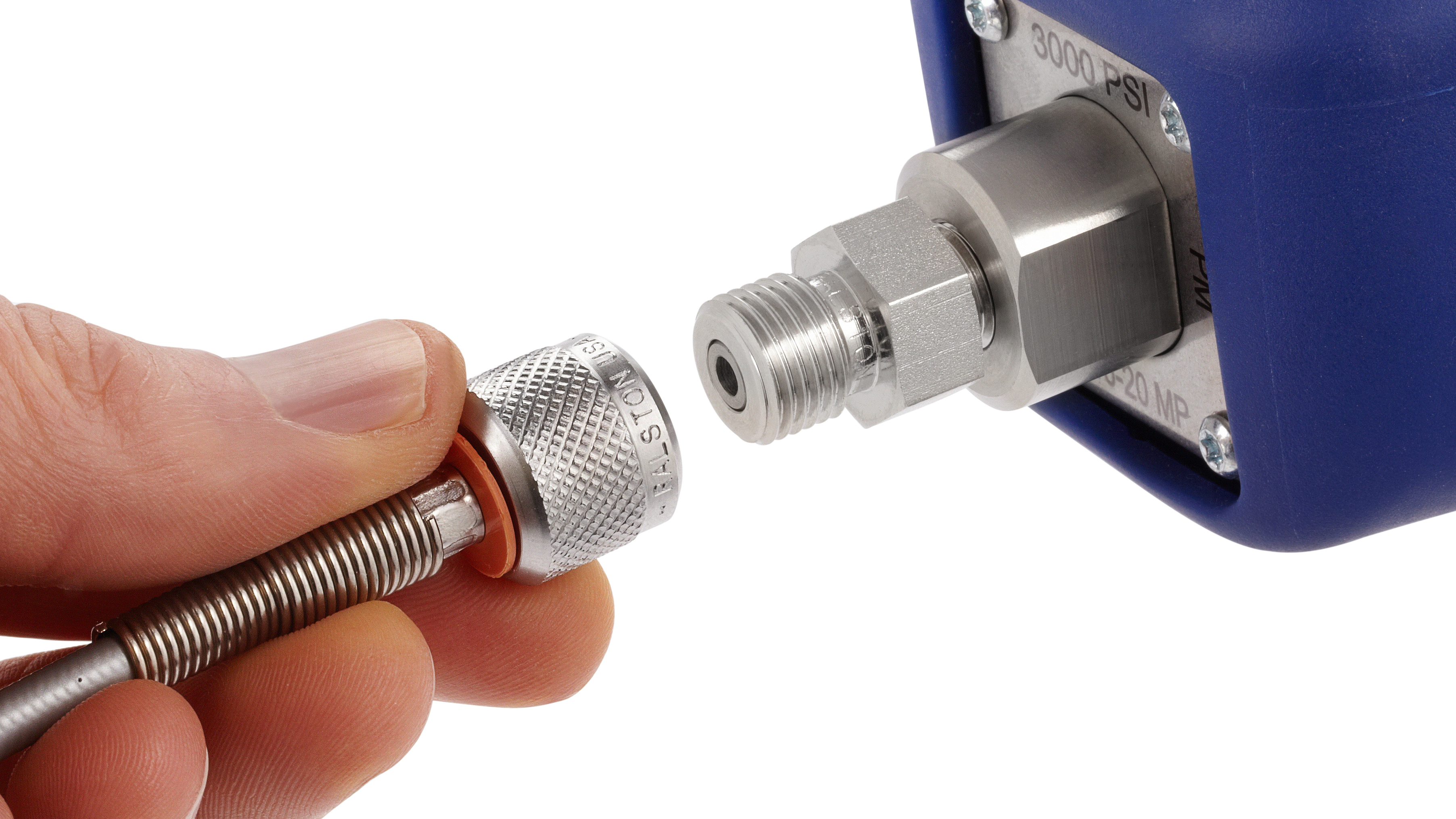
For more precise control, pairing it with a Ralston QTVC Pressure Controller allows you to fine-tune pressure to your exact requirement.
A Setup That Works the Same Way Every Time
With the connection handled at the cylinder, the rest of the setup becomes more predictable.
Because the adapter is part of the Ralston Quick-test™ Connection System, the same approach carries through the rest of your setup, from the regulator to hoses and control devices.
Instead of switching between different fittings or rebuilding your setup each time, you’re working with components that connect the same way. That consistency reduces setup time and helps avoid small issues that can turn into bigger problems later.
See How It Works
This video shows how the regulator and CGA 580 quick-connect adapter work together, from connection to pressure adjustment.
Play video on YouTube
Less Setup, More Focus on the Work
When the connection is simple and the pressure is predictable, the entire job becomes more straightforward.
You spend less time setting up, less time fixing leaks, and less time adjusting pressure.
Instead, you can focus on completing the calibration with confidence, knowing that your setup is stable and repeatable.
A Simpler Way to Work With Compressed Gas
To summarize, a pressure regulator should do more than reduce pressure.
It should make your entire process easier, from connecting to the cylinder to making the final adjustment.
By starting with a better connection at the cylinder and carrying that simplicity through the rest of the setup, Ralston Pressure Regulator Kits help turn a time-consuming process into a more predictable one.
Build Your Gas Calibration Setup
If you’re working with compressed gas for calibration, having components that connect quickly and consistently can make a big difference in how efficiently you work.