What is Custody Transfer?
In the oil and gas industry, tracking the movement of the physical substances between customer and supplier and the pipeline provider is known as custody transfer. Ownership changes hands at each transfer point along the line - from wellsite to pipeline, pipeline to plant, pipeline to storage facility, etc. - so there must be an accurate accounting of product flow to determine its value at each exchange. As in any market, buyers want to make sure they are receiving what they pay for, and sellers want to ensure they’re getting paid for what they’re providing. When the commodity that’s changing hands is invisible and weightless, like a gas, this puts significant demands on the measurement instrumentation as the source of truth. As a result, custody transfer metering systems are highly regulated and must abide by a combination of laws, protocols, contracts and industry standards that require a high level of accuracy, repeatability, and traceability.
The Importance of Accuracy in Custody Transfer
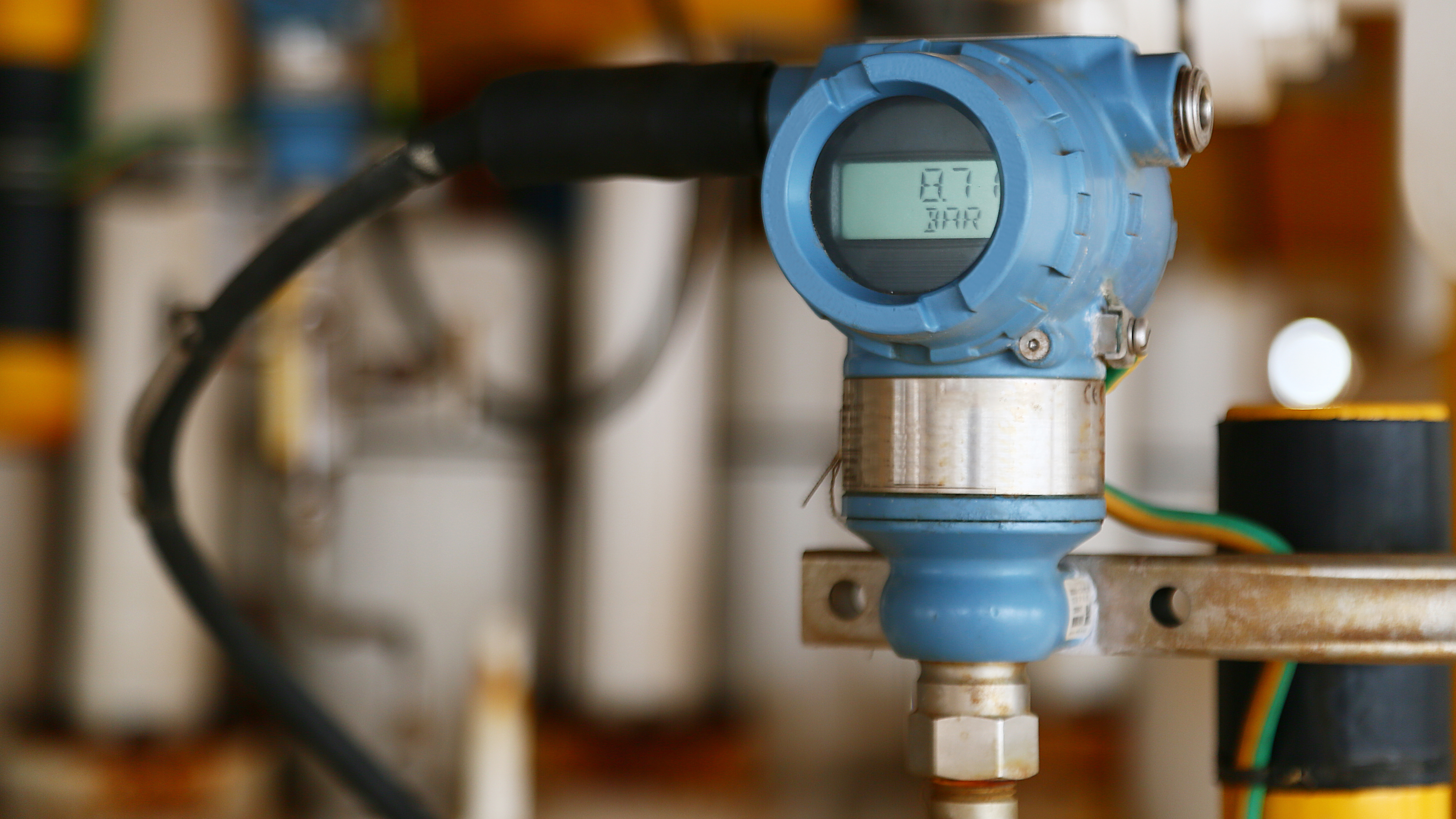
We can determine the flow of oil or gas going through the pipe at any given time by measuring temperature and pipeline pressure, along with the pressure drop across an orifice plate. Ultimately these flow measurements establish the volume of media that has been moved, so a high degree of accuracy is imperative to establishing how much product has been transported. Even the smallest measurement errors can be extremely costly. For example, if the measurement is off by just 0.1% on a large diameter pipeline, that’s an error of hundreds of thousands of dollars per day in somebody’s favor. In addition, if a substantial error is found, the gas or liquid that has been metered since the last calibration date must all be recalculated, so it is in the best interest of both parties involved to make sure instrumentation is measuring correctly.